Top 5 Free Typing Test Websites Compared (2026)
We tested the 5 best free typing test websites of 2026 — Monkeytype, Typing.com, Keybr, 10FastFingers and CodeFree — on speed accuracy, features and ease of use.
 CodeFree Team
October 06, 2026
6 min read
CodeFree Team
October 06, 2026
6 min read
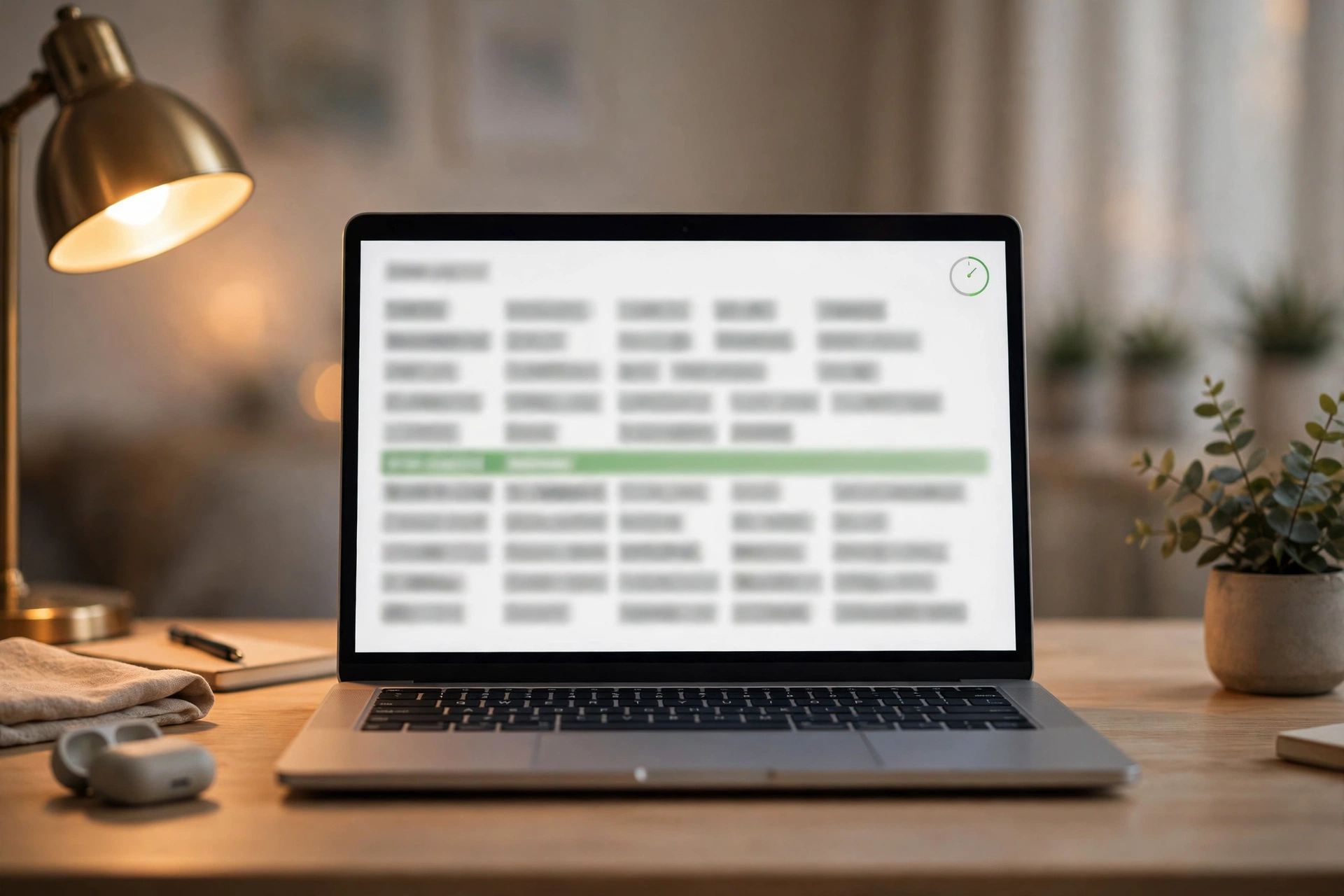
Your typing speed quietly decides how fast you finish assignments, how quickly you ship code, and even how you perform in job tests that include a typing round. With dozens of free typing test websites out there, picking the right one is harder than it looks. So we spent a week actually using the most popular free typing tests of 2026 — no sponsored rankings, no fluff — and compared them on the things that matter.
Whether you are a student preparing for data-entry exams, a developer who lives in the editor, or just someone who wants to stop hunting and pecking, this guide will help you pick the right tool. We have included one homegrown option too, built for people who want a clean test without signing up for anything.
How We Compared These Typing Tests
Every website on this list was tested on the same laptop, on the same keyboard, over multiple sessions. We scored each one on:
- Measurement quality — does it report both WPM and accuracy clearly, and does the timer feel fair?
- Ease of use — can you start a test in under 10 seconds without creating an account?
- Practice value — lessons, weak-key training, or custom texts beyond a single 60-second test.
- Ads and clutter — pop-ups and auto-playing video ads kill focus, so we penalised them.
- Free-forever access — everything here is genuinely free, which matters for students in India on tight budgets.
1. Monkeytype — Best for Serious Practice
Monkeytype is the darling of the typing-enthusiast community, and it is easy to see why. The interface is beautifully minimal — just you and the words. You can customise test length, word lists, punctuation, numbers, and even code snippets. Live WPM and accuracy readouts keep every run engaging.
Pros:
- Extremely customisable tests (time, words, quotes, code mode)
- No ads, fast, distraction-free design
- Detailed stats and personal bests if you create a free account
Cons:
- Plain look can feel intimidating to absolute beginners
- No structured lessons — it assumes you already know touch typing
- Account needed to save history
2. Typing.com — Best for Beginners and School Students
If you have never learned proper finger placement, Typing.com is the friendliest starting point. It walks you through structured lessons key by key, tracks progress, and even has a classroom mode teachers use. The gamified levels make it popular with school students.
Pros:
- Step-by-step lessons from zero to touch typing
- Free for students and teachers, with progress tracking
- Fun games that make practice less boring
Cons:
- Requires sign-up for full features
- Design feels aimed at kids, which puts off some adults
- Free tier shows ads
3. Keybr — Best for Fixing Weak Keys

Keybr takes a clever approach: instead of random paragraphs, it generates practice text based on the keys you struggle with. Keep missing "p" and "q"? You will see them until your fingers learn. It is oddly addictive once you get going, and needs no account.
Pros:
- Smart algorithm targets your weakest keys
- No sign-up required
- Great for breaking through plateaus
Cons:
- Early sessions use nonsense words, which feels strange
- Limited test formats compared to Monkeytype
- Minimal statistics
4. 10FastFingers — Best for Competitions
Want to race real people? 10FastFingers has offered multiplayer typing competitions for years, plus tests in 50+ languages. You can earn certificates for your scores — handy if you need proof of typing speed for a data-entry job application in India.
Pros:
- Live multiplayer races against typists worldwide
- Certificates you can attach to job applications
- Many languages supported
Cons:
- Design looks dated
- Ads on the free version
- Strict accuracy rules can frustrate beginners
5. CodeFree Typing Speed Test — Best No-Signup All-Rounder
Sometimes you just want a clean, honest test without accounts, ads, or clutter. The CodeFree Typing Speed Test gives you exactly that: a 60-second test with live WPM, accuracy tracking, and instant results. It runs entirely in your browser, works fine on slower connections, and — unusually — you can download the complete source code for free if you want to host your own copy or learn how it was built.
Pros:
- Zero sign-up, zero ads, starts instantly
- Clear WPM + accuracy results with a clean interface
- Free downloadable source code (great for learners and teachers)
- Lightweight — loads fast even on low-end devices
Cons:
- Single 60-second test mode for now
- No global leaderboard yet
Quick Comparison
- Fastest to start: CodeFree Typing Speed Test and Keybr (no account needed)
- Most customisable: Monkeytype
- Best lessons: Typing.com
- Most fun: 10FastFingers (multiplayer races)
- Best for slow internet: CodeFree Typing Speed Test (lightweight, single file set)
Final Verdict: Which One Should You Pick?
There is no single winner — it depends on your goal. Beginners should start with Typing.com's lessons, then graduate to Monkeytype or Keybr for serious speed building. Competitive types will love 10FastFingers. And if you want a quick, honest benchmark with no strings attached — or you are a student who wants to see how a real typing test is coded — the CodeFree option is hard to beat.
The best strategy? Pick one primary tool and practice 15 minutes a day. Consistency beats tool-hopping every time. Most people see a 10–15 WPM jump within a month of daily practice.
Download the free source code: if you liked the CodeFree Typing Speed Test, you can grab its complete HTML, CSS, and JavaScript source free from the link above — host it on your own site, customise the word list, or study the code to learn how WPM and accuracy are calculated in real time.
Frequently Asked Questions
Q: What is a good typing speed in 2026?
A: Around 40 WPM is average, 60+ WPM is good for most office and development work, and 80+ WPM puts you in the top tier. Data-entry jobs in India often ask for 30–40 WPM with 90%+ accuracy.
Q: Are free typing tests accurate?
A: Yes, the WPM calculation is standardised (words per minute = characters typed ÷ 5 ÷ minutes). Differences between sites come from word difficulty and whether errors are penalised, not from bad math.
Q: How long does it take to learn touch typing?
A: With 15–20 minutes of daily practice, most people learn proper finger placement in 2–3 weeks and reach 50+ WPM within 2–3 months.
Q: Do I need to pay for a good typing test?
A: No. Every tool in this list is free, and free tests measure speed just as accurately as paid ones. Paid plans mostly add lessons and analytics, not better measurement.
Keep reading

Best Free Flashcard Apps for Indian Students in 2026 (7 Honest Picks)
We compared 7 free flashcard apps for Indian exam prep in 2026 — Anki, Quizlet, Knowt, CodeFree StudyCards and more. Spaced repetition, offline access, free-plan limits and our honest verdict for UPSC, SSC, NEET and JEE aspirants.
Read article
Best Website Builders for Indian Small Businesses in 2026 (7 Compared)
We compared 7 website builders on real Indian pricing in rupees - Wix, WordPress, Hostinger, GoDaddy, Squarespace, Shopify, plus the Rs.0 CodeFree template route. Hidden costs revealed.
Read article
Best Free Accounting Software for Indian Freelancers in 2026 (7 Honest Picks)
We compared 7 free accounting tools for Indian freelancers — Zoho Invoice, Vyapar, Refrens, Wave and more — on GST-ready invoices, free-plan limits and rupee support. See which one fits your work.
Read article